









Museo Histórico del Oriente de Morelos, Casa de Morelos
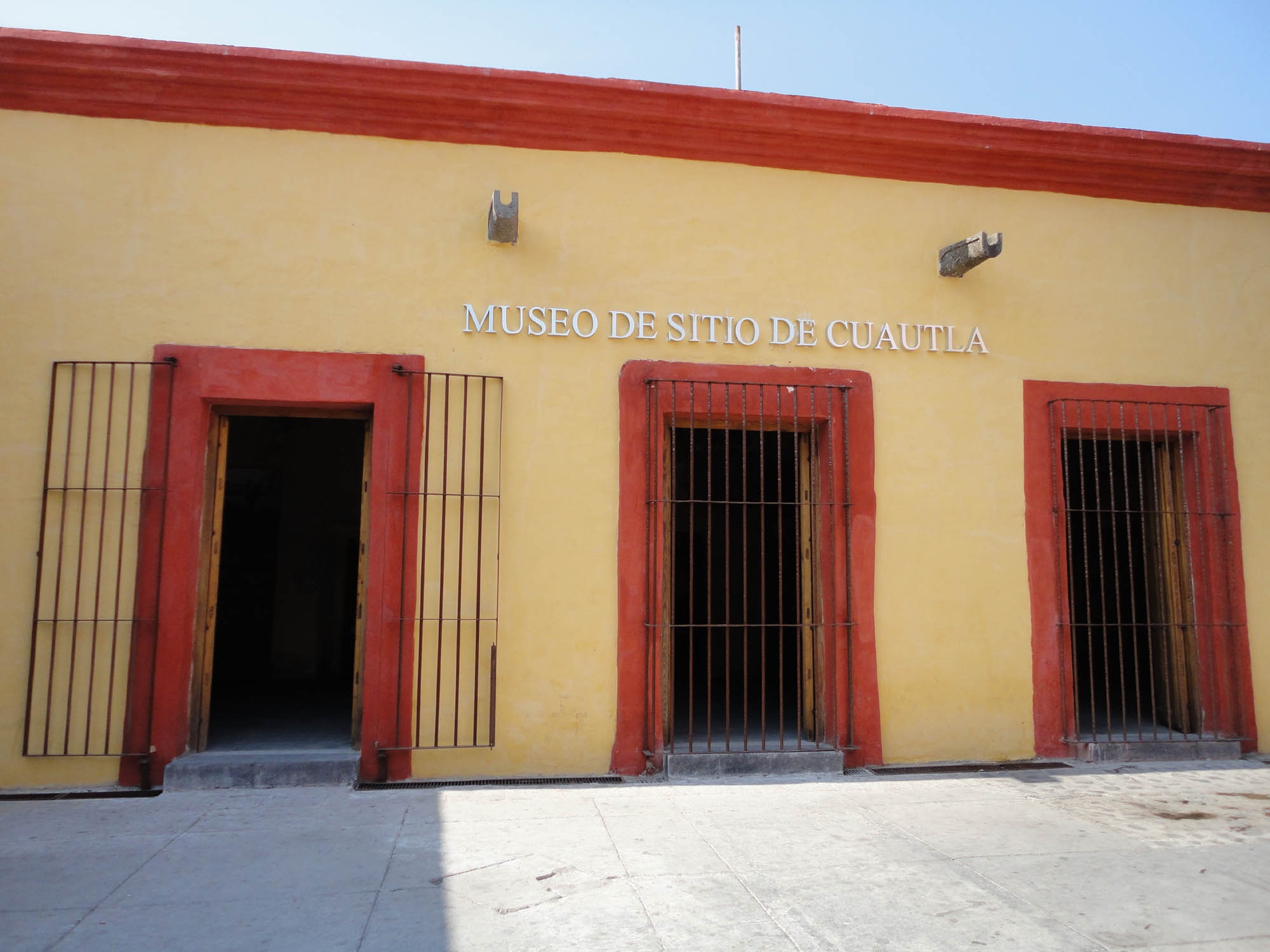
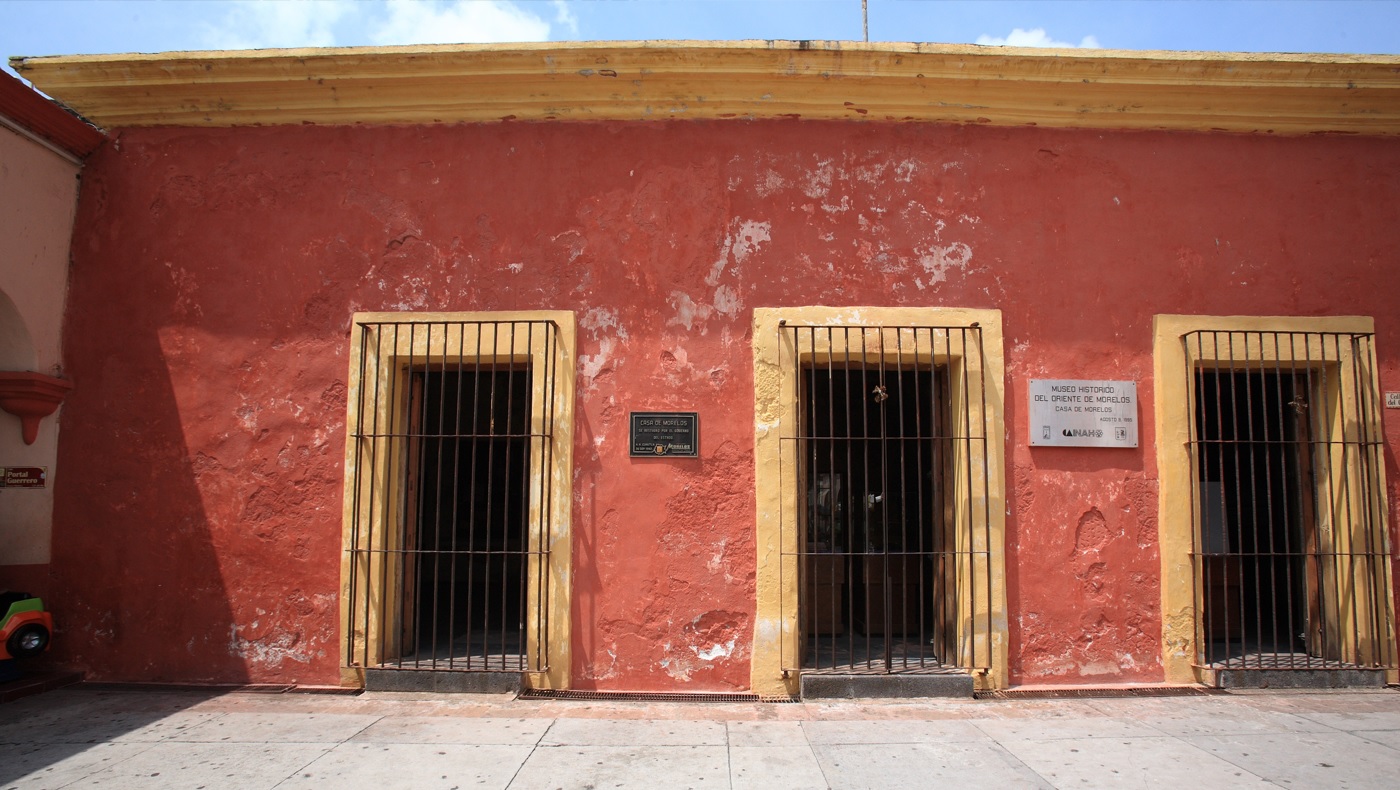
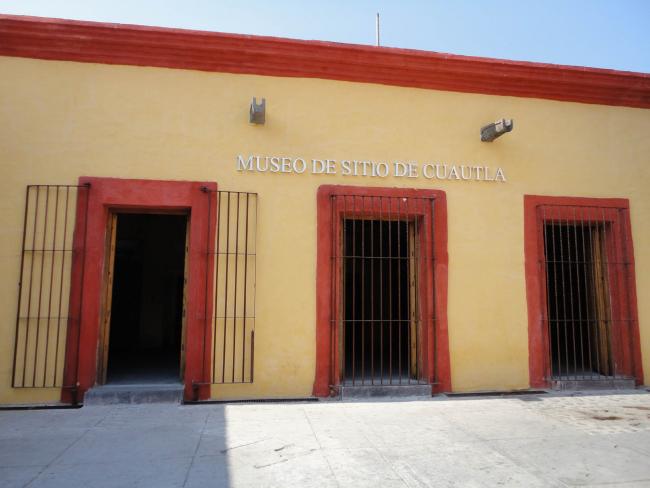
An eighteenth-century country house where Don José María Morelos lived during the siege of Cuautla in 1812. It contains objects and explanations of local and regional history since pre-Hispanic times up to the Zapatista uprising, with an emphasis on Morelos and Emiliano Zapata.
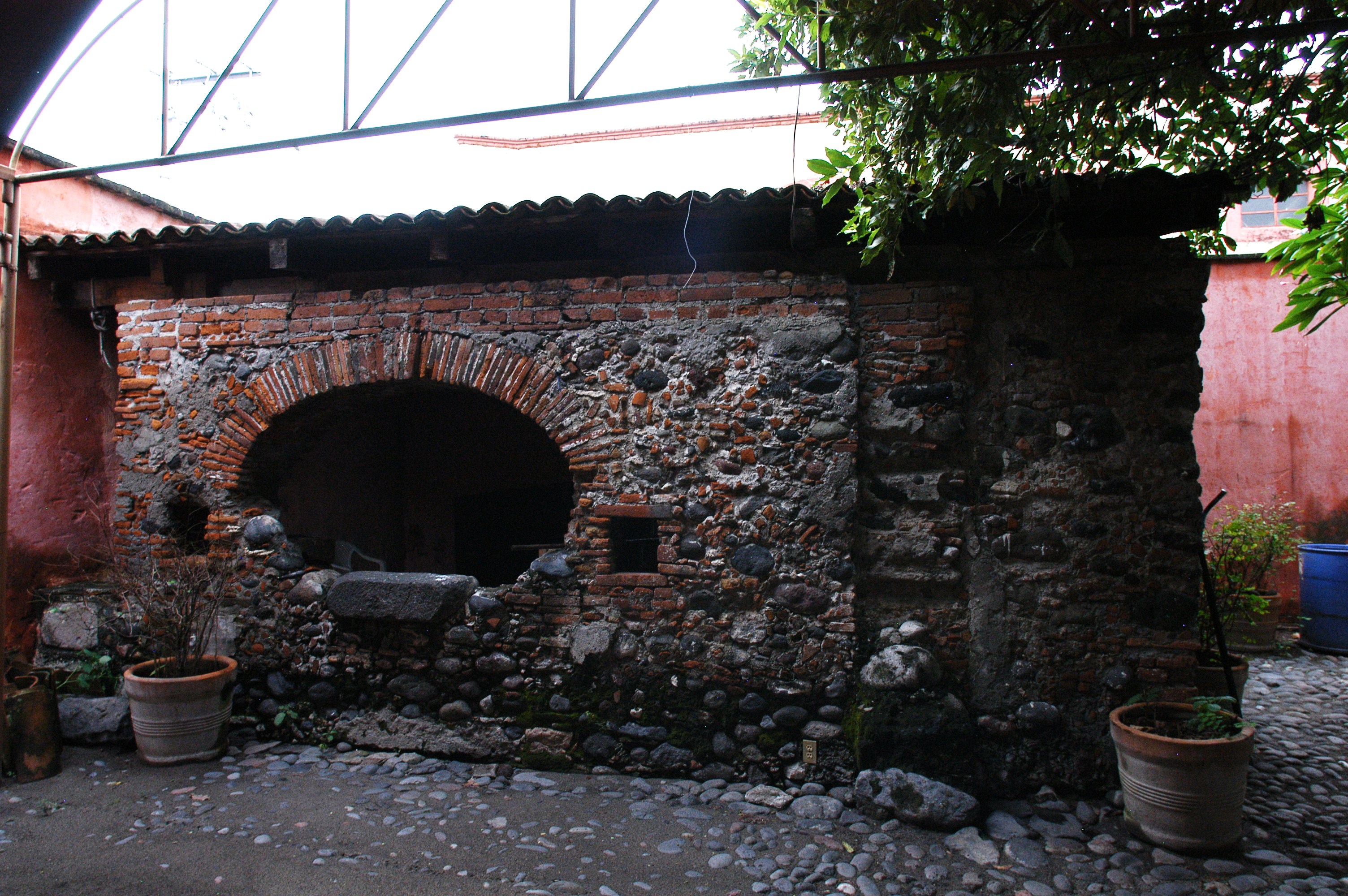
Morelos and Zapata are currently the theme of this museum. According to oral tradition, this house was inhabited from February 19 to May 2, 1812 by José María Morelos y Pavón and their leading generals during the seige of Cuautla. The building, built in the eighteenth century, was declared a national monument in 1933, and on September 30, 1965 it opened its doors as a museum dedicated to the Servant of the Nation and to this historic event.
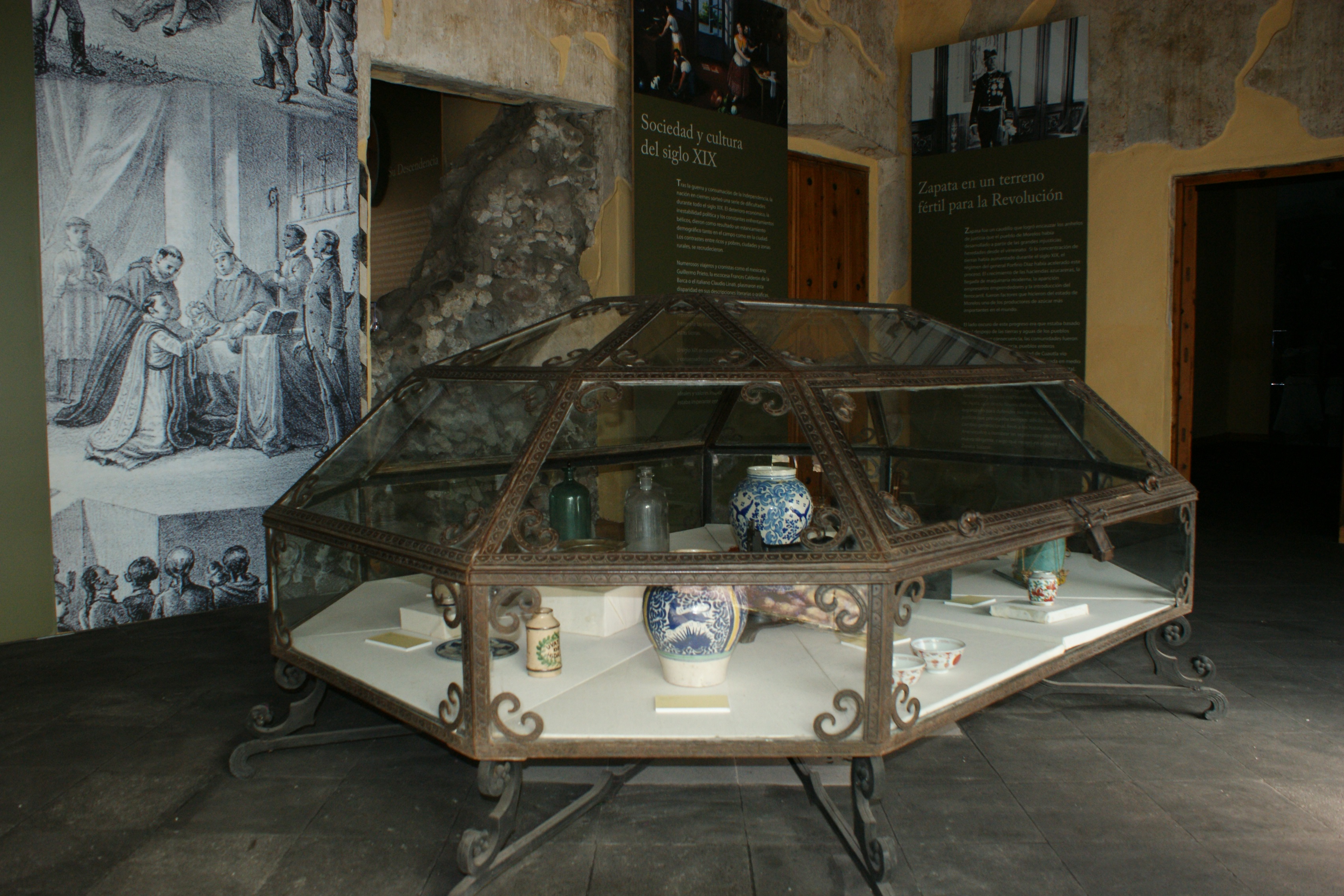
The space has undergone several restorations, in 1978, 1992 and 2010-2011. During the second one several pre-Hispanic burials were located, as well as viceroyal architectural elements (such as stucco and decorations), along with coins and armaments of the revolutionary epoch. As a result, the site was enriched to present a general panorama of the historical events of the region, from pre-Hispanic times (from the Preclassic to the Postclassic period) to Zapatismo, through contact with Europeans, evangelization, Independence, the Reformation and the foundation of the state of Morelos.
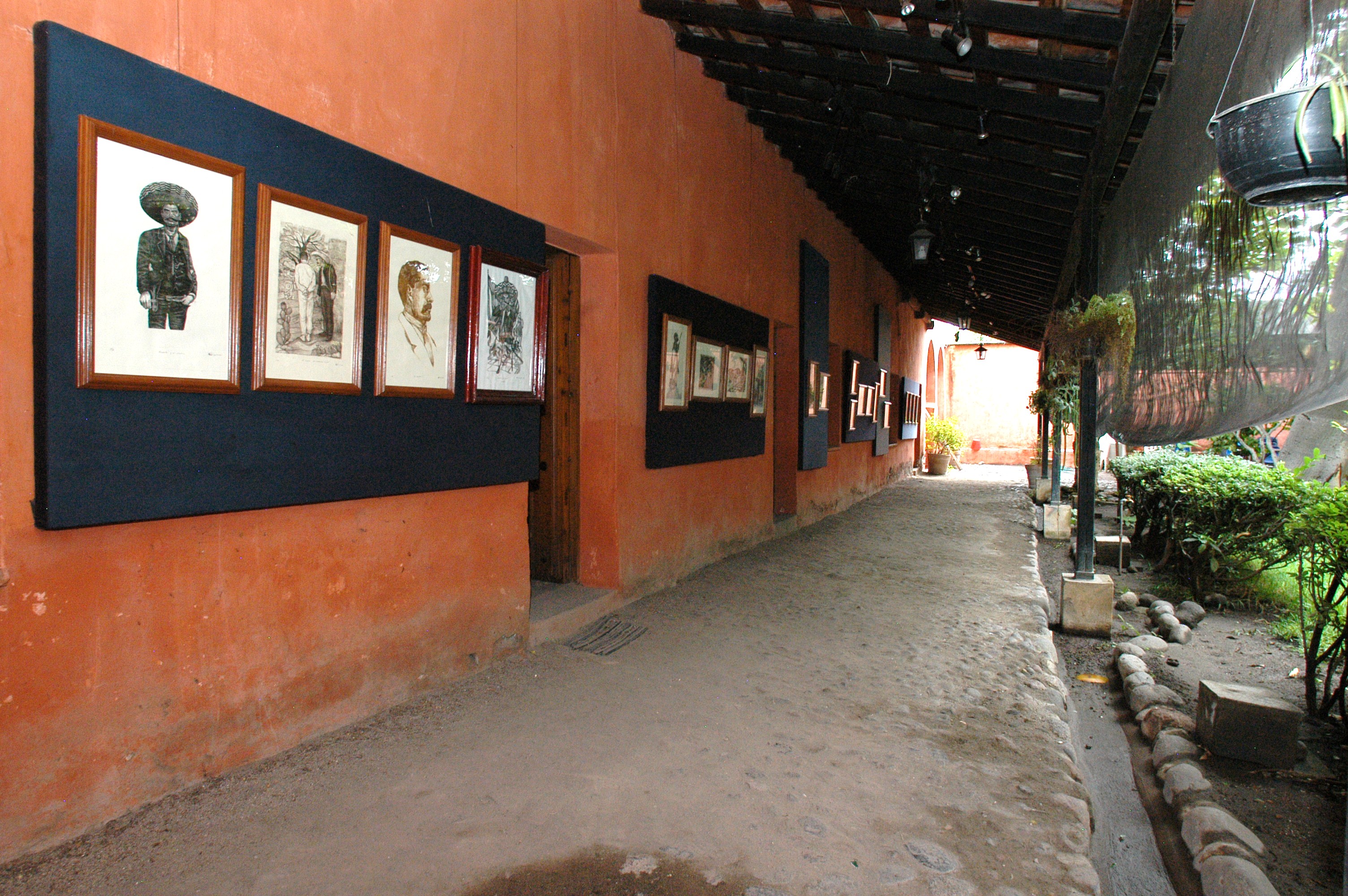
Finally, on the occasion of the bicentennial of Independence and the centennial of the Revolution, the museum was completely renovated, so that the theme—through eight permanent exhibition galleries—revolves around two fundamental characters in Mexican history: Morelos and Zapata. In the first room the history of the house is reconstructed and both heroes are remembered. From there, visitors can enter the rooms where information about the inhabitants of Cuautla is provided, along with information about José María Morelos and Pavón, especially his encounter with Miguel Hidalgo y Costilla, his principles as a strategist, his arrival in the town, the beginning of the siege of Cuautla, his departure from the locality, the "Sentiments of the Nation" text, and his capture and death. As for Emiliano Zapata, the political struggles against Pablo Escandón and Francisco I. Madero are highlighted, the meeting in Cuautla during the Lenten fair, the taking of the city, the promulgation of the Ayala Plan and the assassination of this peasant leader, which took place in April 1919.
Reception
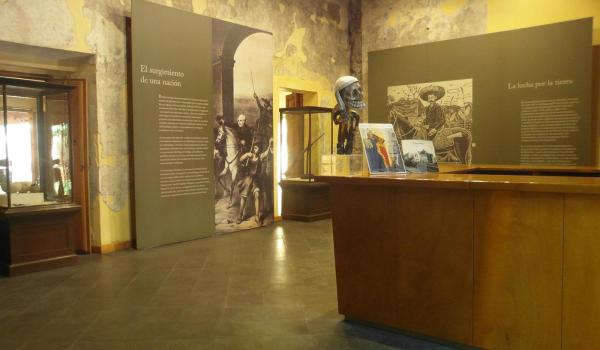
This section explains the meaning of the name "Cuautla" and introduces the main themes addressed by the museum: the life of independence leader José María Morelos and that of revolutionary Emiliano Zapata. It also offers a brief yet clear account of the historical importance of the building.During…
Reception
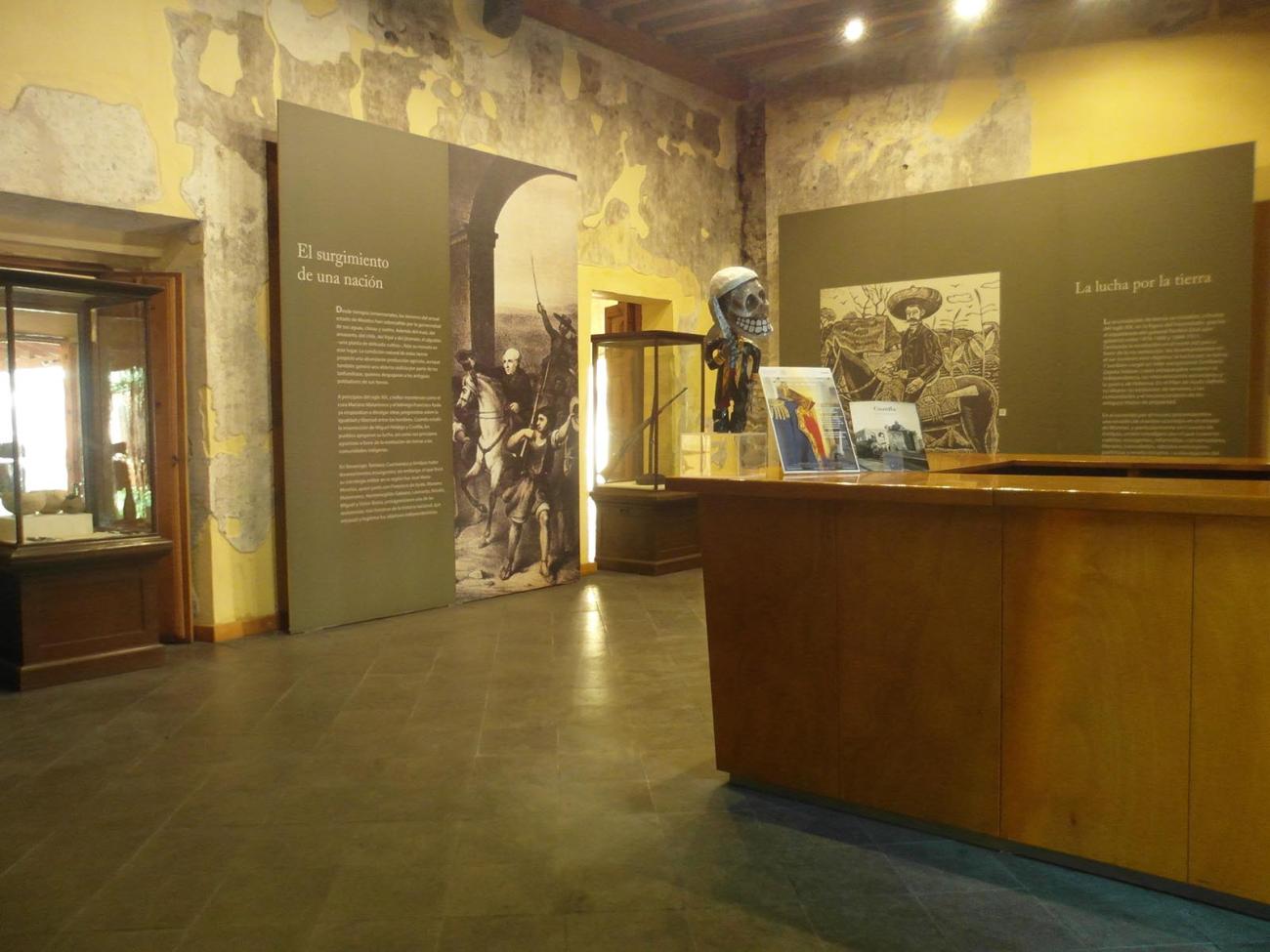
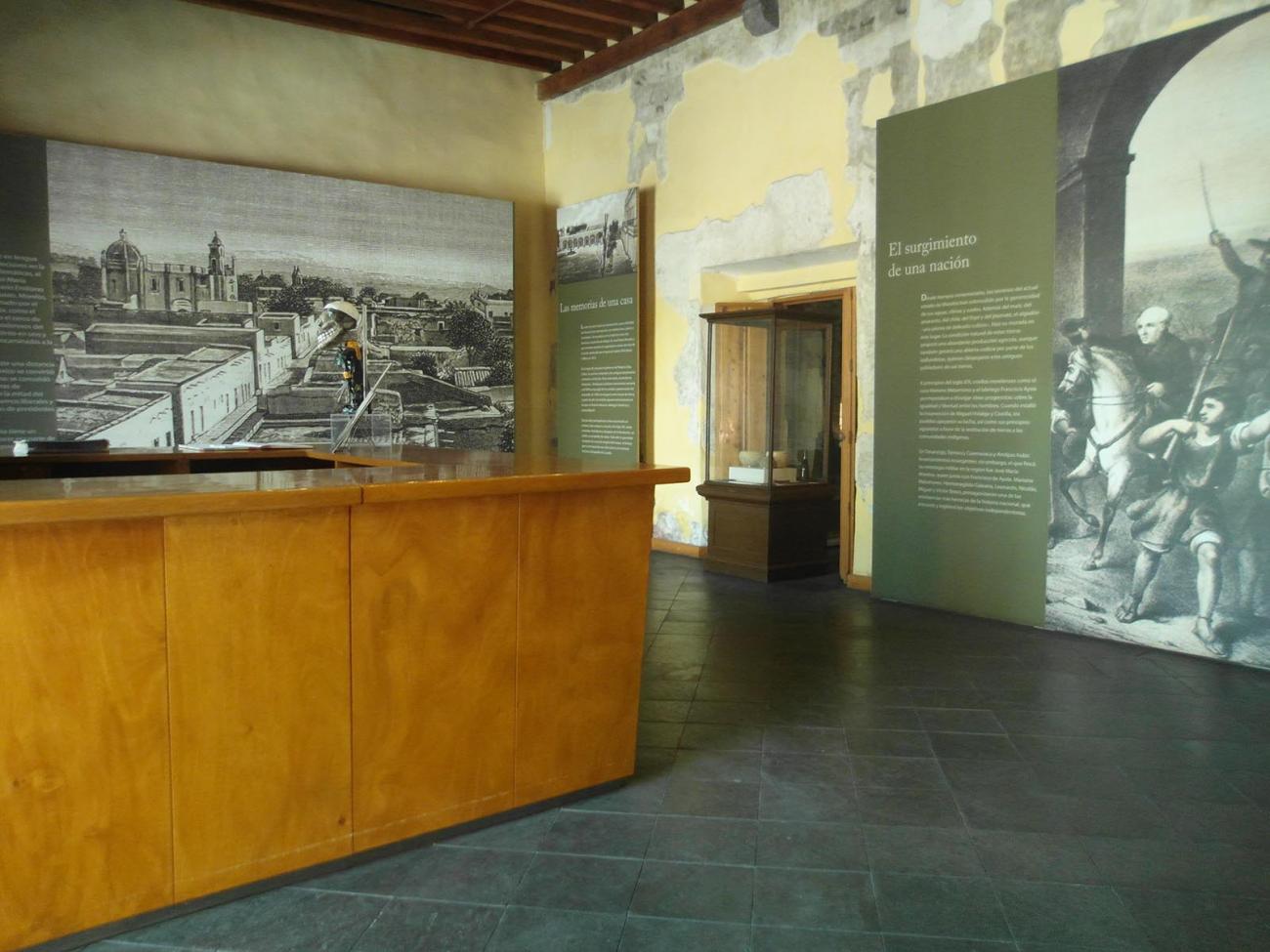

This section explains the meaning of the name "Cuautla" and introduces the main themes addressed by the museum: the life of independence leader José María Morelos and that of revolutionary Emiliano Zapata. It also offers a brief yet clear account of the historical importance of the building.
During the presidency of Plutarco Elías Calles, the house was purchased from its former owners and donated to the nation. Later, President Abelardo L. Rodríguez declared it a national monument; consequently, the National Institute of Anthropology and History (INAH) assumed responsibility for its preservation and custody. It was inaugurated as a site museum on September 30, 1965.
Origins and Clerical Life
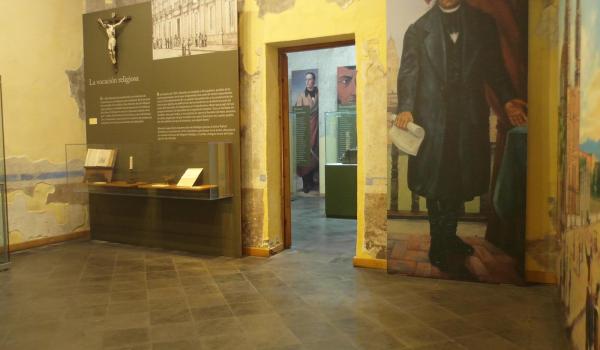
This section presents information about the early life of independence hero José María Morelos before the armed uprising.It recounts his birth and childhood in Valladolid (today Morelia), where he was raised by his mother, and his work as a muleteer at the San Rafael Tahuejo hacienda—a trade that…
Origins and Clerical Life
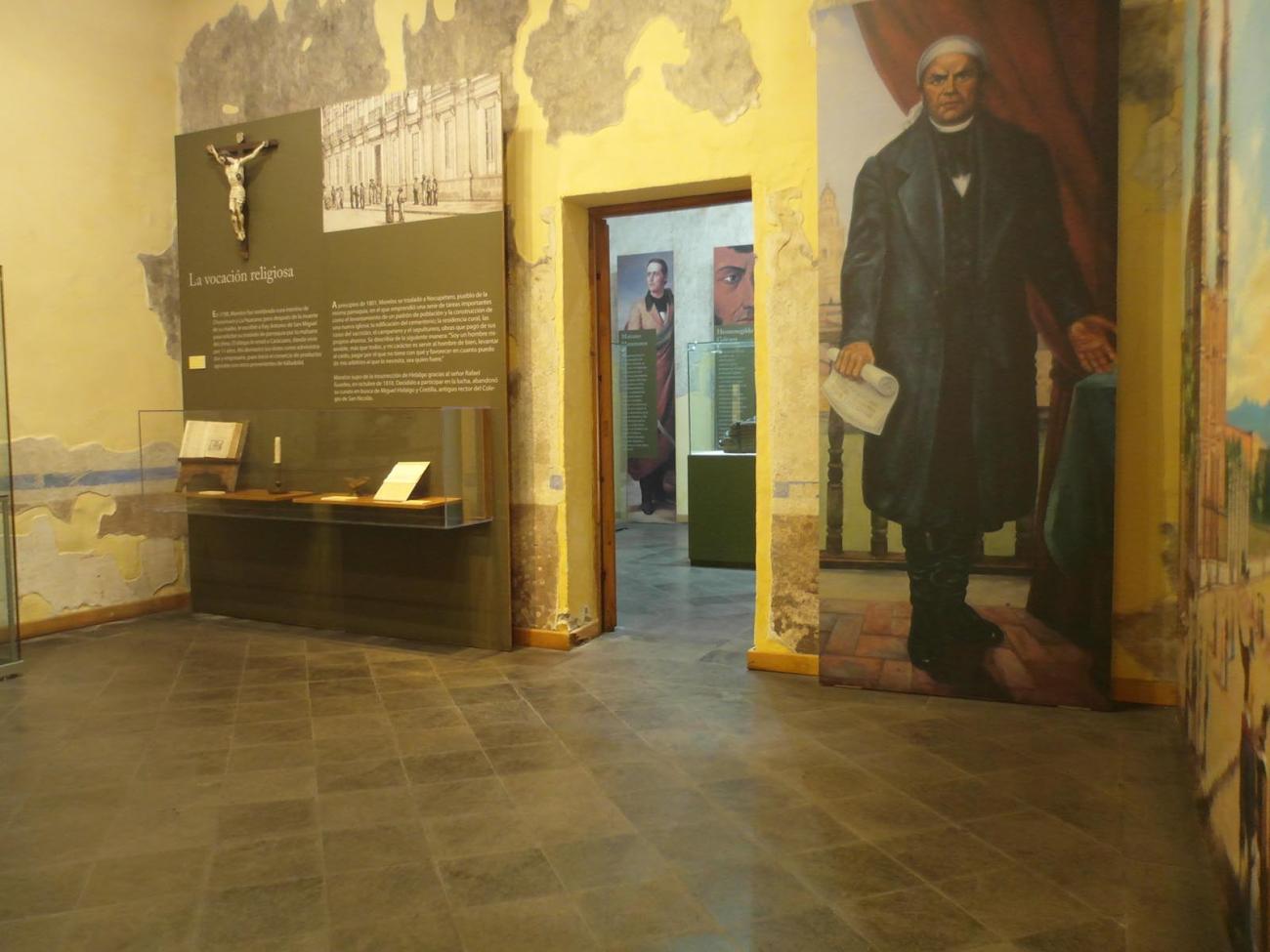
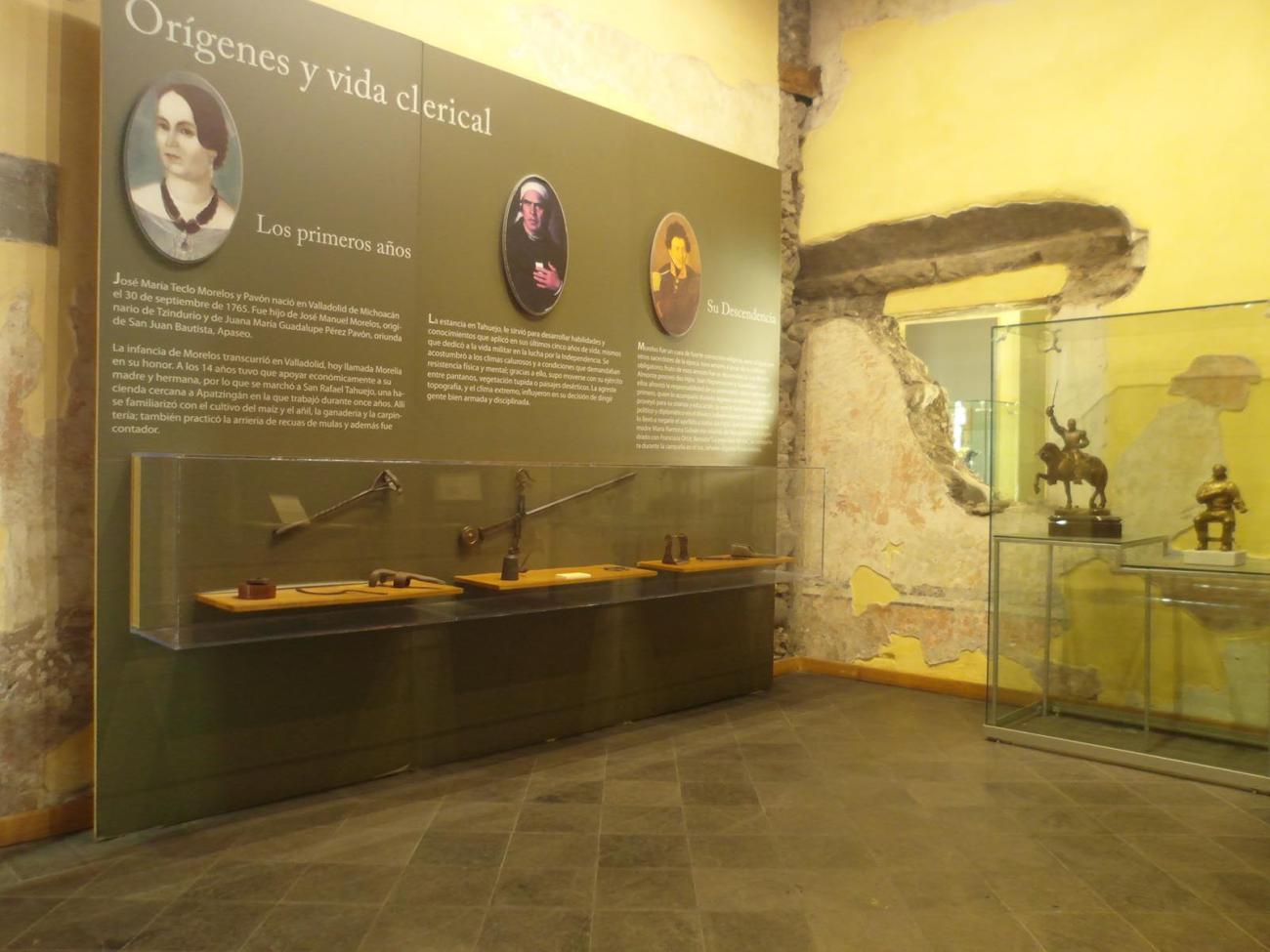


This section presents information about the early life of independence hero José María Morelos before the armed uprising.
It recounts his birth and childhood in Valladolid (today Morelia), where he was raised by his mother, and his work as a muleteer at the San Rafael Tahuejo hacienda—a trade that would later prove useful in developing his military skills during the fight for Independence.
Regarding his clerical life, the exhibit highlights his appointment in 1798 as interim parish priest of Churumuco and La Huacana, his eleven years in Cuarácuaro, and his subsequent transfer to Nocupétaro in 1801.
The Morelos-Hidalgo Encounter and Morelos’s Military Campaigns
This section chronicles the military campaigns led by José María Morelos y Pavón.After Miguel Hidalgo launched the independence movement on September 16, 1810, in the town of Dolores (Guanajuato), Morelos set out to join the insurgents, eventually meeting them in the town of Charo.Upon meeting…
The Morelos-Hidalgo Encounter and Morelos’s Military Campaigns
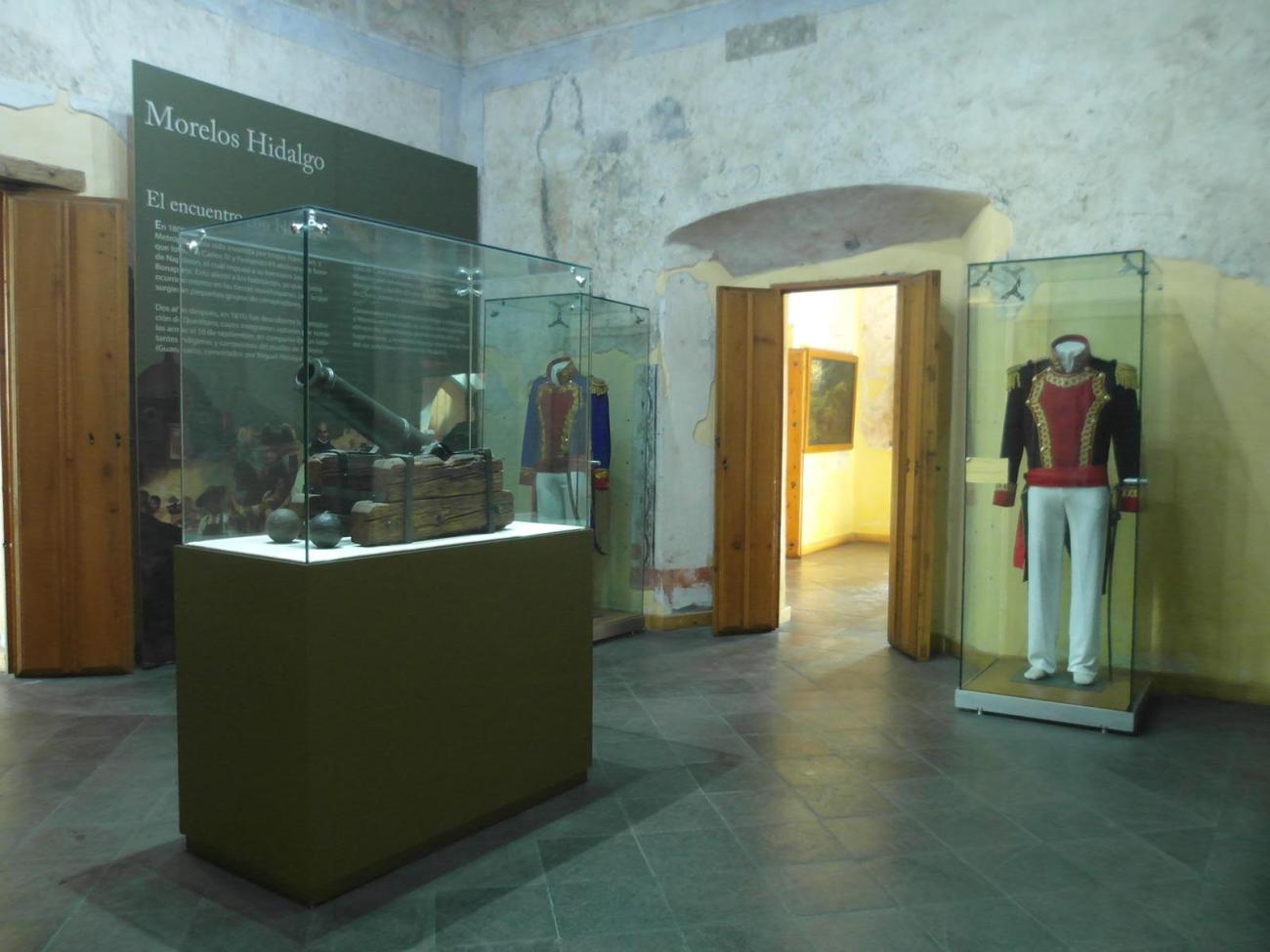
This section chronicles the military campaigns led by José María Morelos y Pavón.
After Miguel Hidalgo launched the independence movement on September 16, 1810, in the town of Dolores (Guanajuato), Morelos set out to join the insurgents, eventually meeting them in the town of Charo.
Upon meeting Hidalgo, Morelos offered to serve as chaplain to the army, but Hidalgo instead appointed him lieutenant and ordered him to raise troops in the southern region to capture the port of Acapulco.
He would spend five years campaigning, from October 25, 1810, until his defeat and capture on November 5, 1815.
Siege of Cuautla
This section recounts the greatest challenge faced by José María Morelos y Pavón in the region that now bears his name.Morelos arrived in Cuautla on February 9, 1812, accompanied by Matamoros, Galeana, and the Bravo brothers. Anticipating a royalist attack, he fortified the town by digging trenches…
Siege of Cuautla
This section recounts the greatest challenge faced by José María Morelos y Pavón in the region that now bears his name.
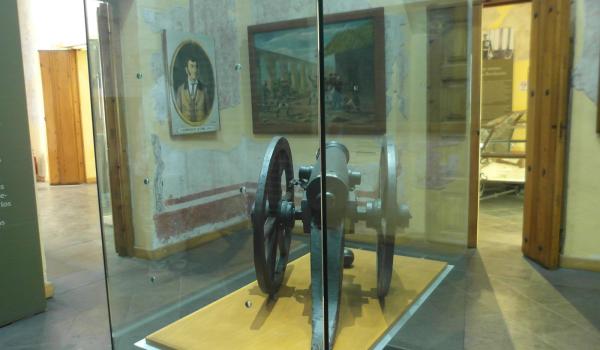
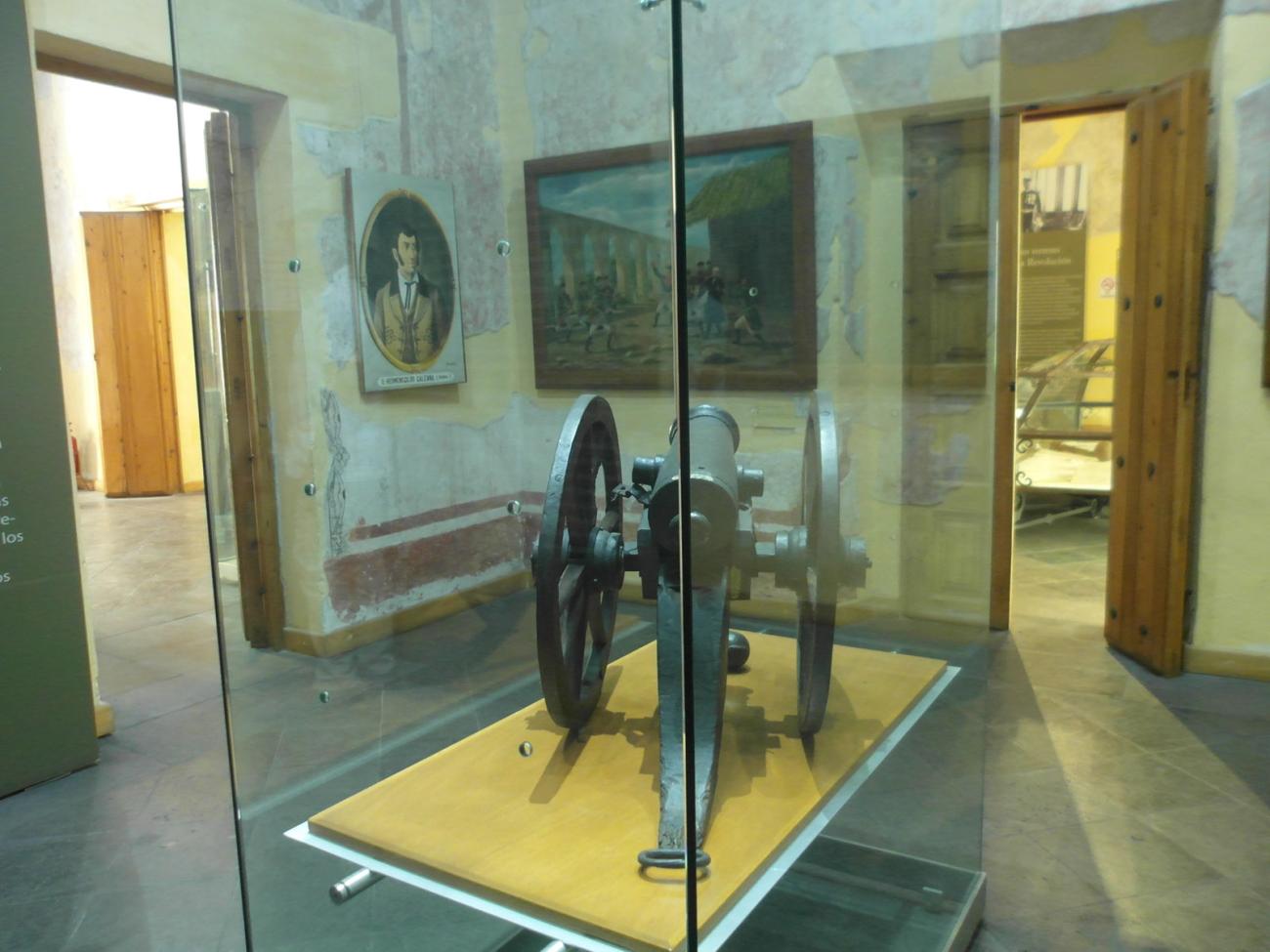
Morelos arrived in Cuautla on February 9, 1812, accompanied by Matamoros, Galeana, and the Bravo brothers. Anticipating a royalist attack, he fortified the town by digging trenches and stockpiling supplies. He was prepared to fight with 4,000 men and 16 cannons, including "El Niño," the first artillery piece gifted to him by the Galeana family.
On February 18, Félix María Calleja arrived at the outskirts of the town with 5,000 men, a number that would soon grow to 7,000. The initial assault began the following morning and continued for eight hours of intense fighting. From February 19 to May 2, the royalist army maintained a relentless siege, bombarding the town and cutting off its water supply—until the early hours of May 2, when Morelos broke through the enemy lines and ended the Spanish-imposed siege.
Capture and Death
This section narrates the final days of Morelos, along with the creation of the state of Morelos.José María Morelos was ambushed on November 5, 1815, in the town of Temalaca (in present-day Guerrero). Lieutenant Matías Carranco captured him and sent him to Mexico City for trial.By order of Viceroy…
Capture and Death
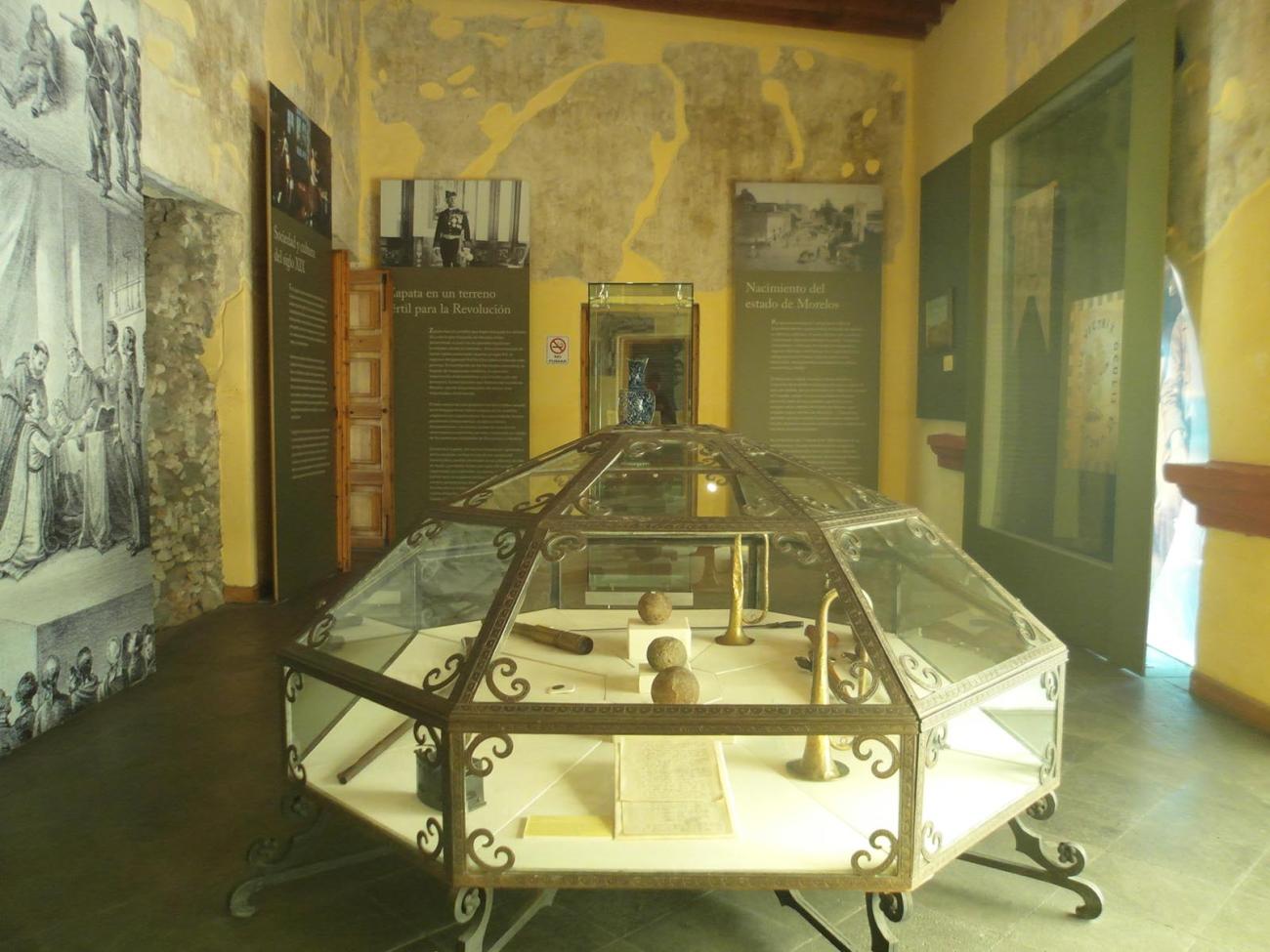
This section narrates the final days of Morelos, along with the creation of the state of Morelos.
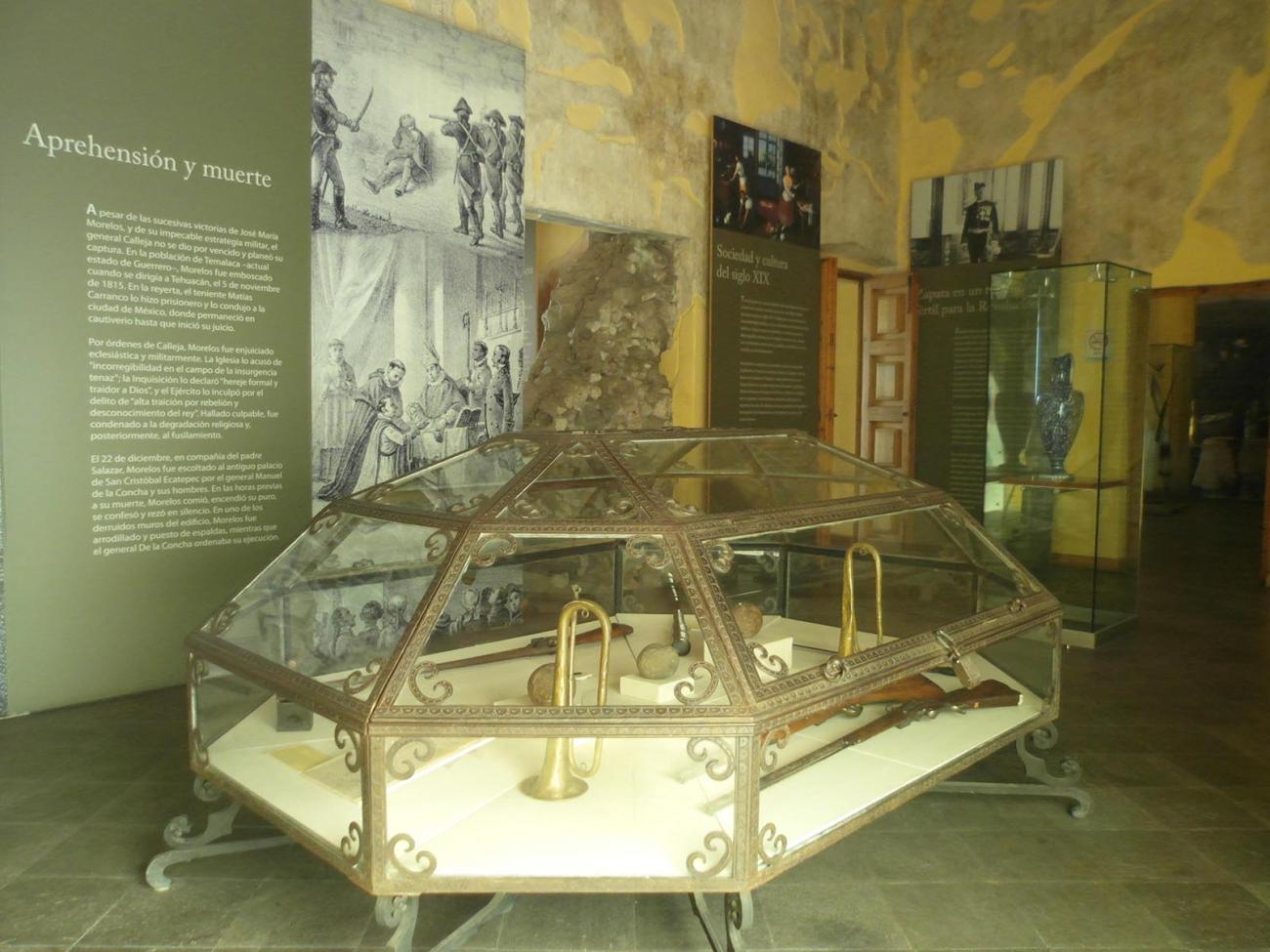
José María Morelos was ambushed on November 5, 1815, in the town of Temalaca (in present-day Guerrero). Lieutenant Matías Carranco captured him and sent him to Mexico City for trial.
By order of Viceroy Calleja, Morelos was tried by both ecclesiastical and military courts. Found guilty, he was stripped of his clerical status and later executed by General De la Concha on December 22 at the former palace of San Cristóbal Ecatepec.
Many years later, on April 17, 1869, following a proposal by congressman and military officer Francisco Leyva, a new federal entity was created: the state of Morelos.
Origins of Zapatismo
From this room on, the exhibit focuses on the 20th century.In 1909, during the gubernatorial elections in the state of Morelos, a well-organized political opposition emerged. In the town of Villa de Ayala, a group led by schoolteacher Pablo Torres Burgos gathered. Among its members were Rafael…
Origins of Zapatismo
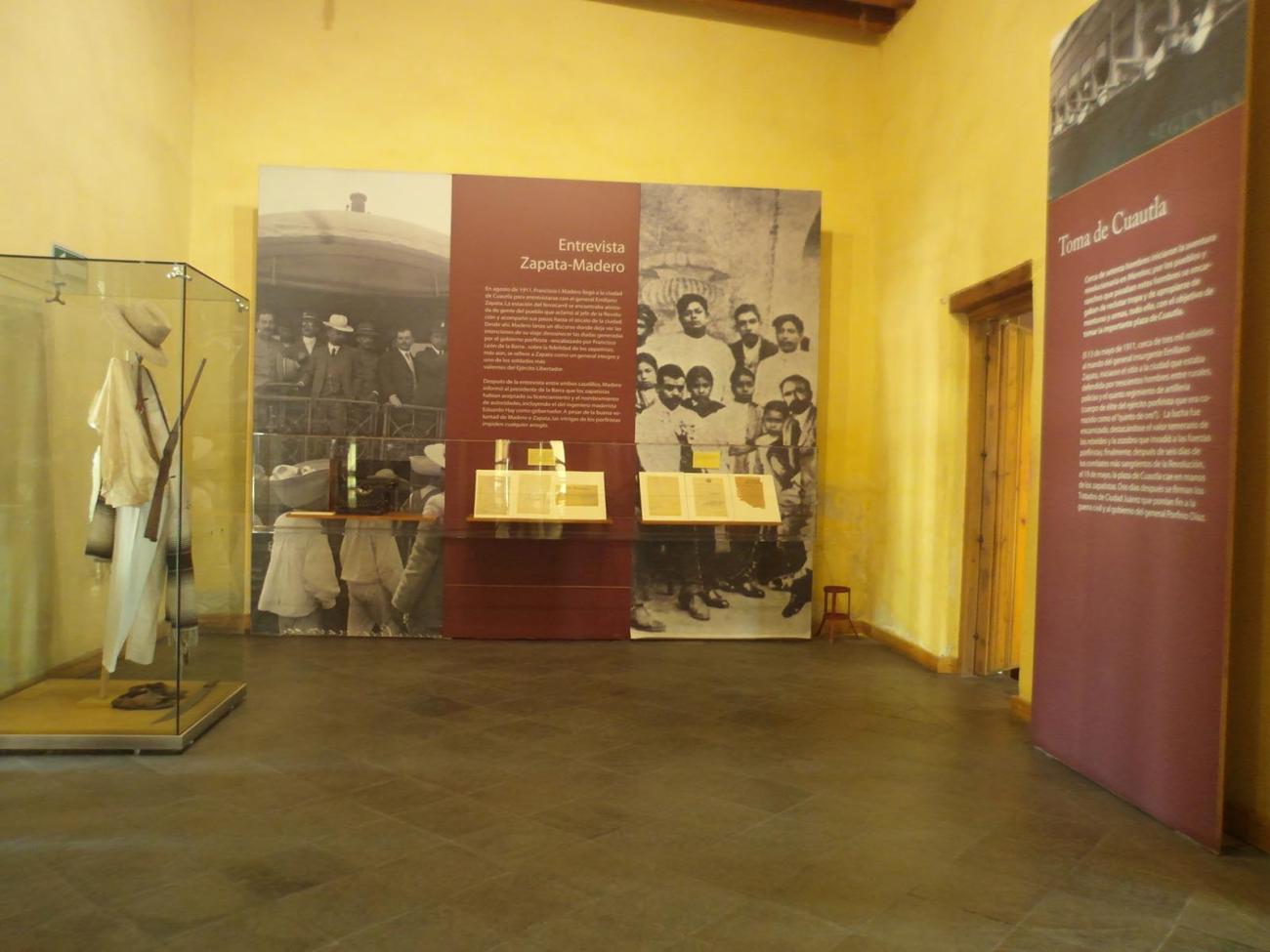
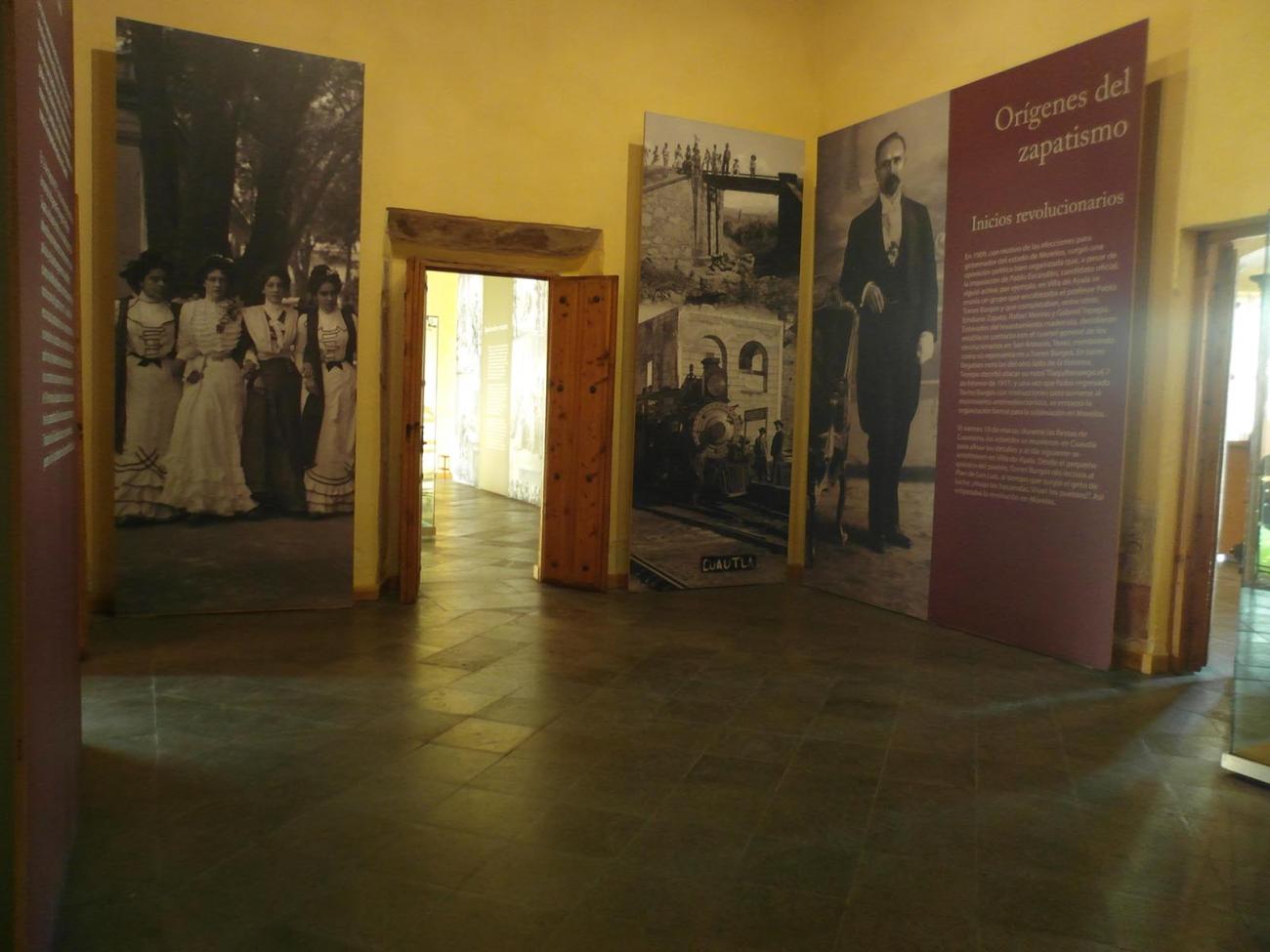
From this room on, the exhibit focuses on the 20th century.
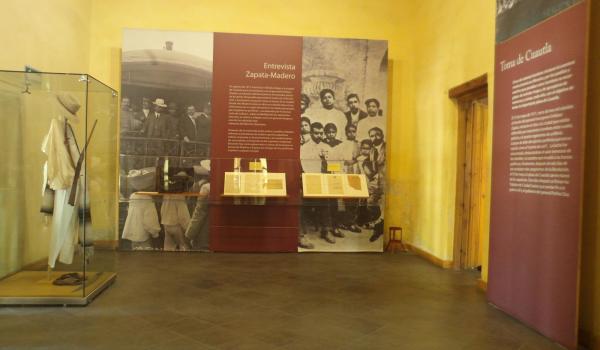
In 1909, during the gubernatorial elections in the state of Morelos, a well-organized political opposition emerged. In the town of Villa de Ayala, a group led by schoolteacher Pablo Torres Burgos gathered. Among its members were Rafael Merino, Gabriel Tepepan, and Emiliano Zapata.
Upon learning of the Maderista uprising, they decided to establish contact with the revolutionary headquarters. Acting as their representative, Torres Burgos met with the Maderistas; the meeting was successful, and the formal organization of the uprising in Morelos began.
By August 1911, Francisco I. Madero arrived in Cuautla to meet with General Emiliano Zapata. Upon his arrival, Madero delivered a speech in which he praised the loyalty of the Zapatistas and referred to Zapata as a man of integrity and one of the bravest soldiers in the Liberation Army.
The Plan of Ayala, Banner of Zapatismo
This section highlights the peak of the movement.Since its publication, the Plan of Ayala became the cornerstone of agrarian reform. It was drafted by Otilio Montaño, José Trinidad Ruiz, and Emiliano Zapata in the town of Ayoxuxtla (in the state of Puebla) and made public on November 28, 1911. The…
The Plan of Ayala, Banner of Zapatismo
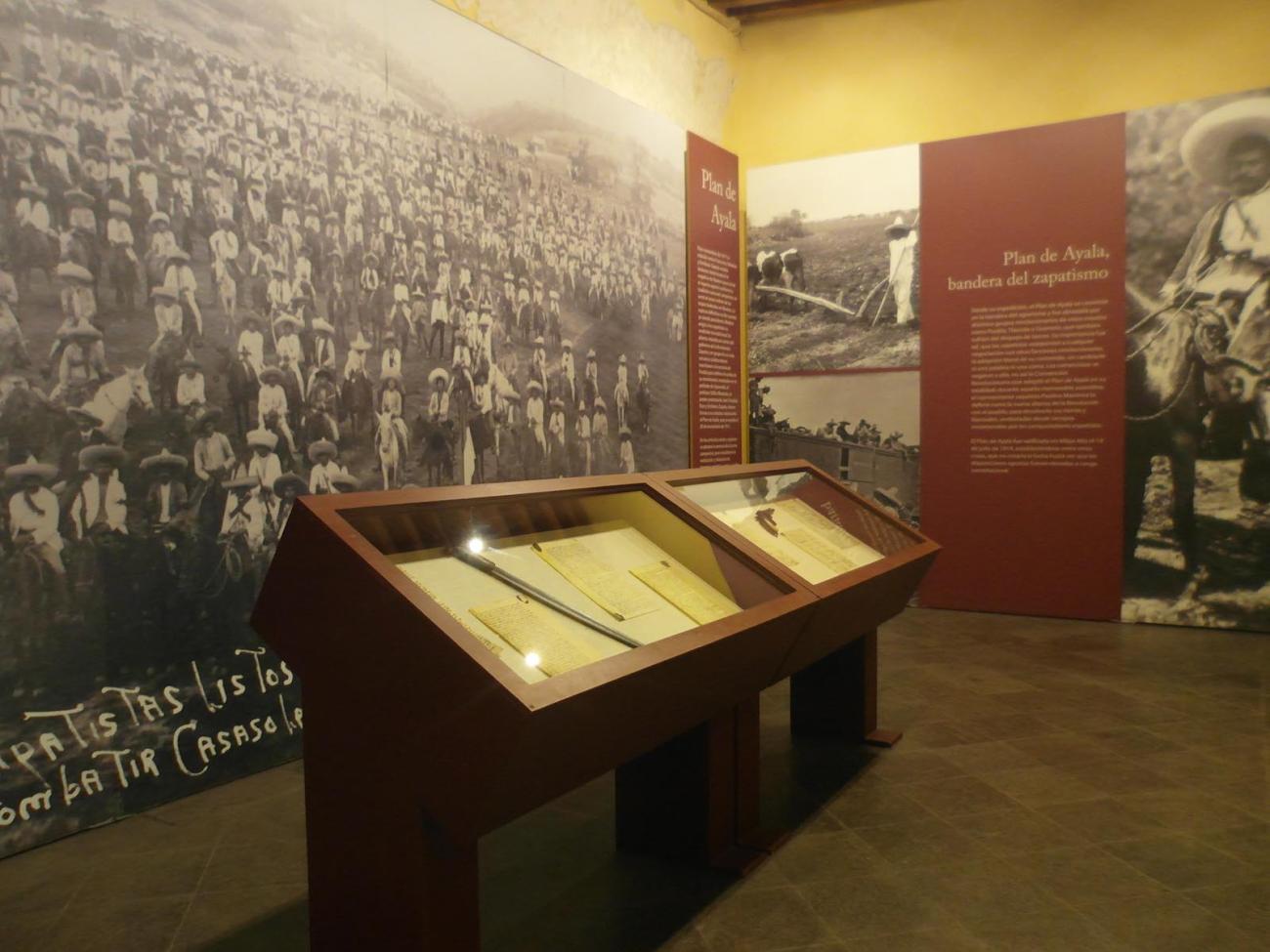
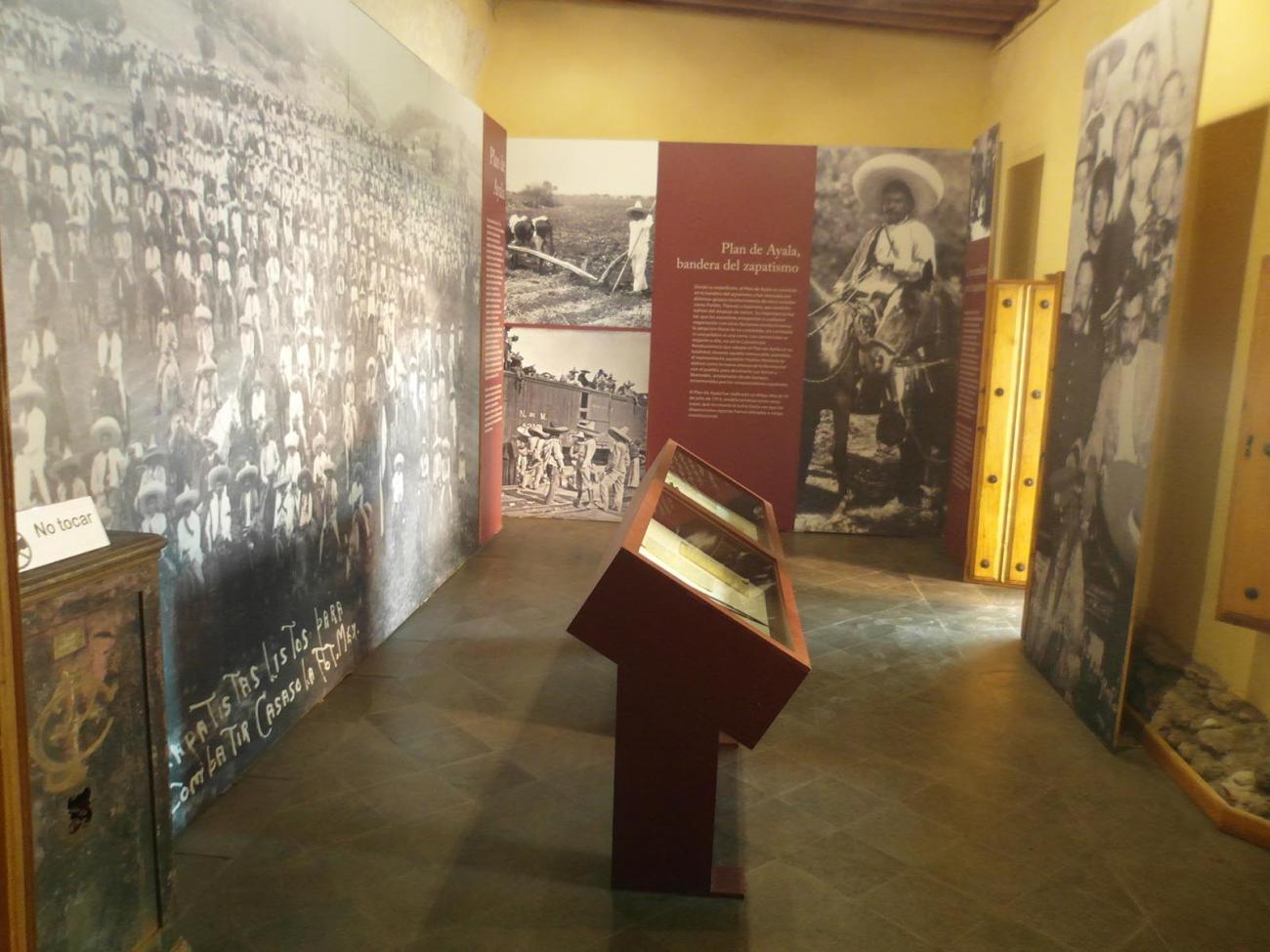
This section highlights the peak of the movement.
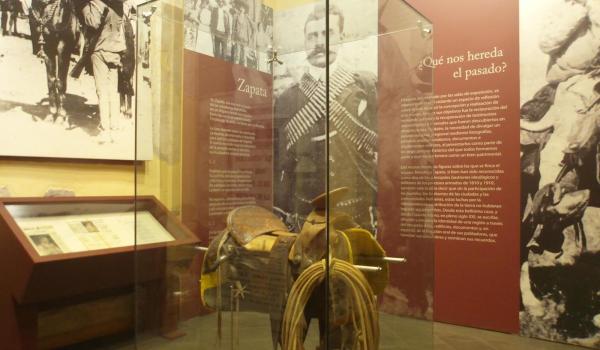
Since its publication, the Plan of Ayala became the cornerstone of agrarian reform. It was drafted by Otilio Montaño, José Trinidad Ruiz, and Emiliano Zapata in the town of Ayoxuxtla (in the state of Puebla) and made public on November 28, 1911. The plan was embraced by revolutionary groups in other states such as Puebla, Tlaxcala, and Guerrero, where communities also suffered from land dispossession.
So central was the plan that Zapatistas insisted it be adopted "verbatim" in any negotiation with other revolutionary factions—"not a single comma" was to be changed. The Carrancistas rejected this condition, but the Revolutionary Convention did not. During that historic assembly, Zapatista delegate Paulino Martínez described the Plan as the new alliance between the Revolution and the people—a means of restoring the lands and freedoms stripped from them since the time of the Spanish conquest.
The Plan of Ayala was reaffirmed in Milpa Alta on July 19, 1914, and included a declaration that the struggle would not cease until agrarian reforms were enshrined in the Constitution.
Death of Zapata and Legacy of the Leaders
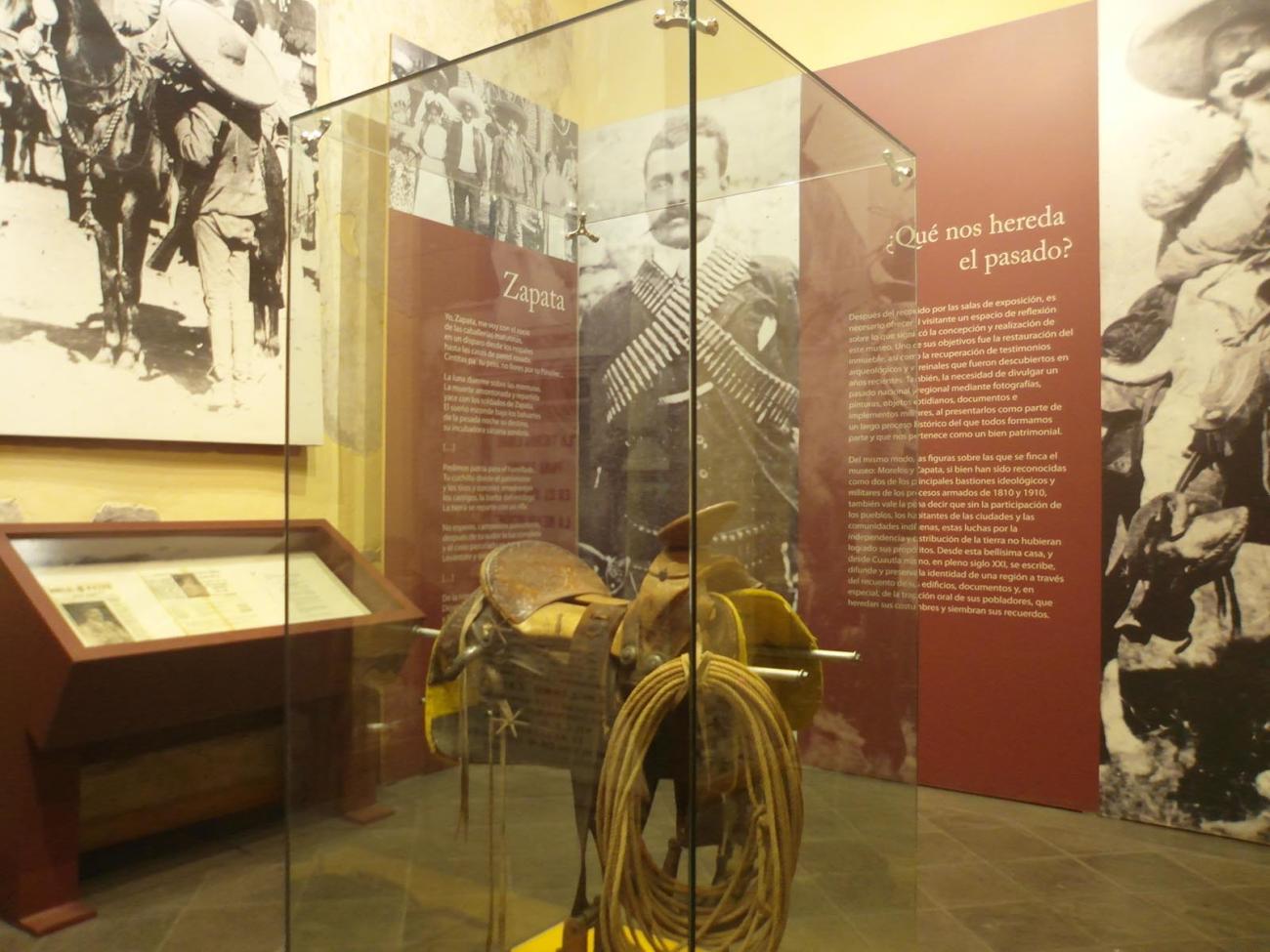
The museum’s final room recounts Zapata’s death—but not the end of Zapatismo.By 1917, Zapatismo faced serious challenges. A new Constitution had been enacted, General Pablo González had launched a war of extermination, and internal intrigue plagued the Liberation Army of the South. In this fraught…
Death of Zapata and Legacy of the Leaders
The museum’s final room recounts Zapata’s death—but not the end of Zapatismo.
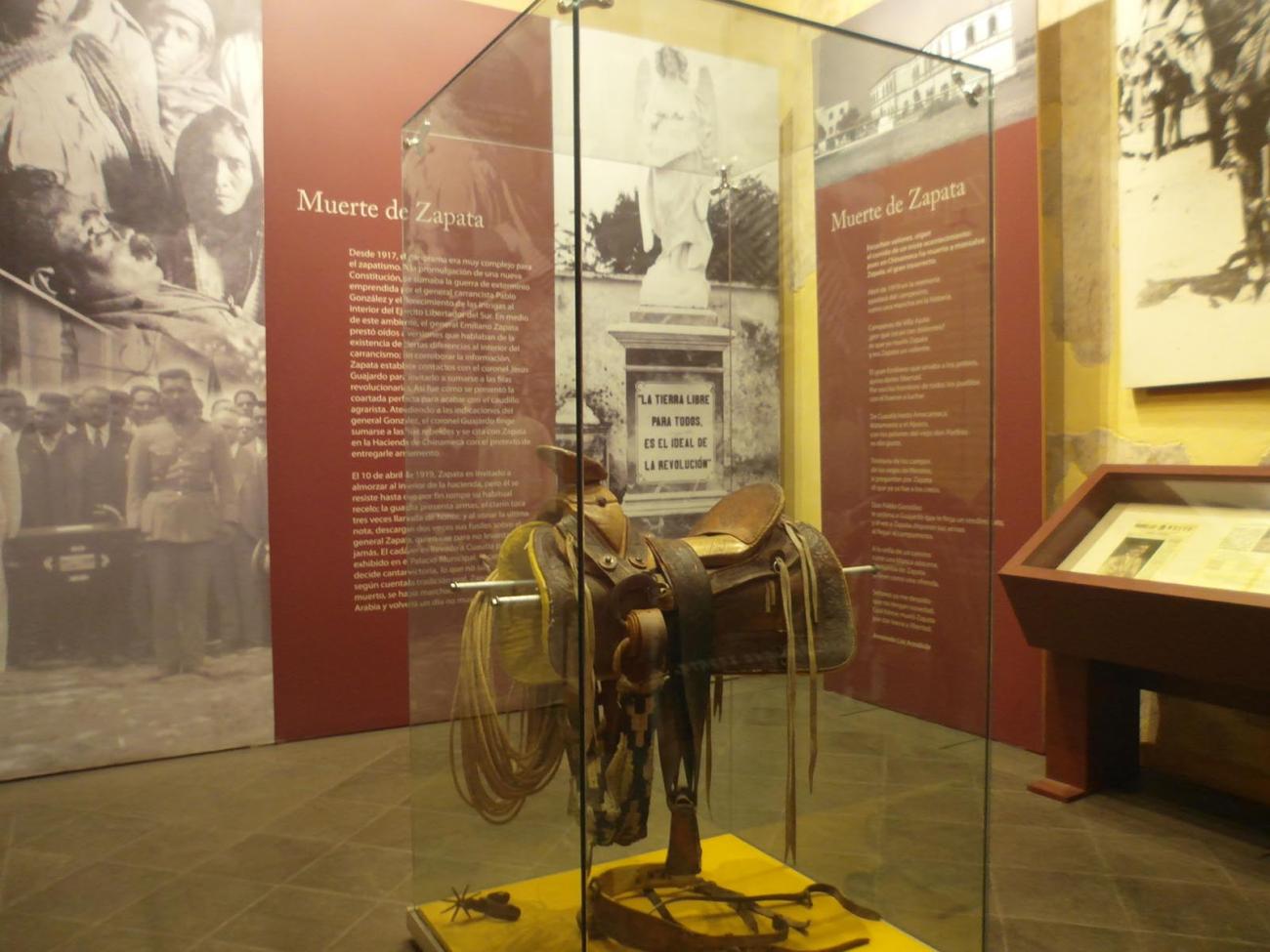
By 1917, Zapatismo faced serious challenges. A new Constitution had been enacted, General Pablo González had launched a war of extermination, and internal intrigue plagued the Liberation Army of the South. In this fraught context, General Zapata heard rumors of dissent within the Carrancista faction. Without confirming them, he reached out to Colonel Jesús Guajardo, inviting him to join the revolutionaries. This contact provided the perfect pretext to eliminate the agrarian leader. Following orders from General González, Guajardo feigned allegiance to the Zapatistas and arranged to meet Zapata at the Hacienda of Chinameca, under the pretense of delivering weapons.
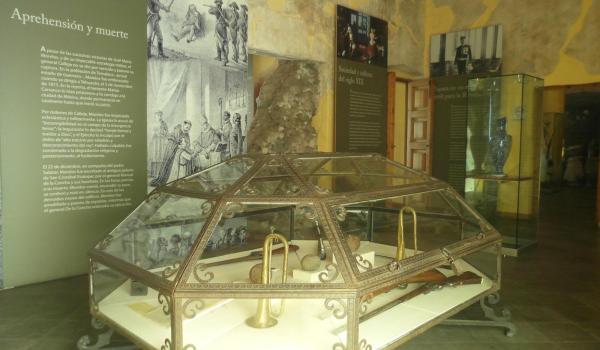
On April 10, 1919, Zapata was invited to dine inside the hacienda. After some hesitation, he set aside his usual caution and accepted. As he entered, the guard presented arms, a bugle sounded three times in salute—and after the final note, two volleys of gunfire were unleashed on General Zapata, who fell and would rise no more. His body was taken to Cuautla to be displayed at the Municipal Palace.
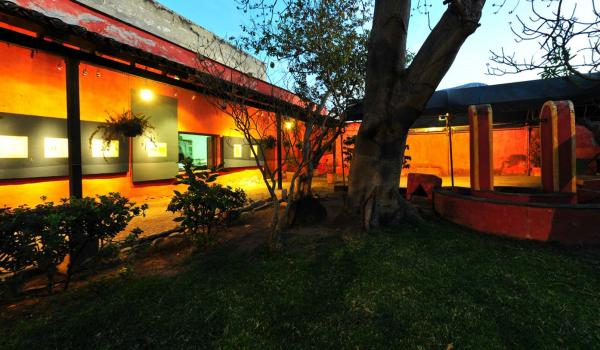
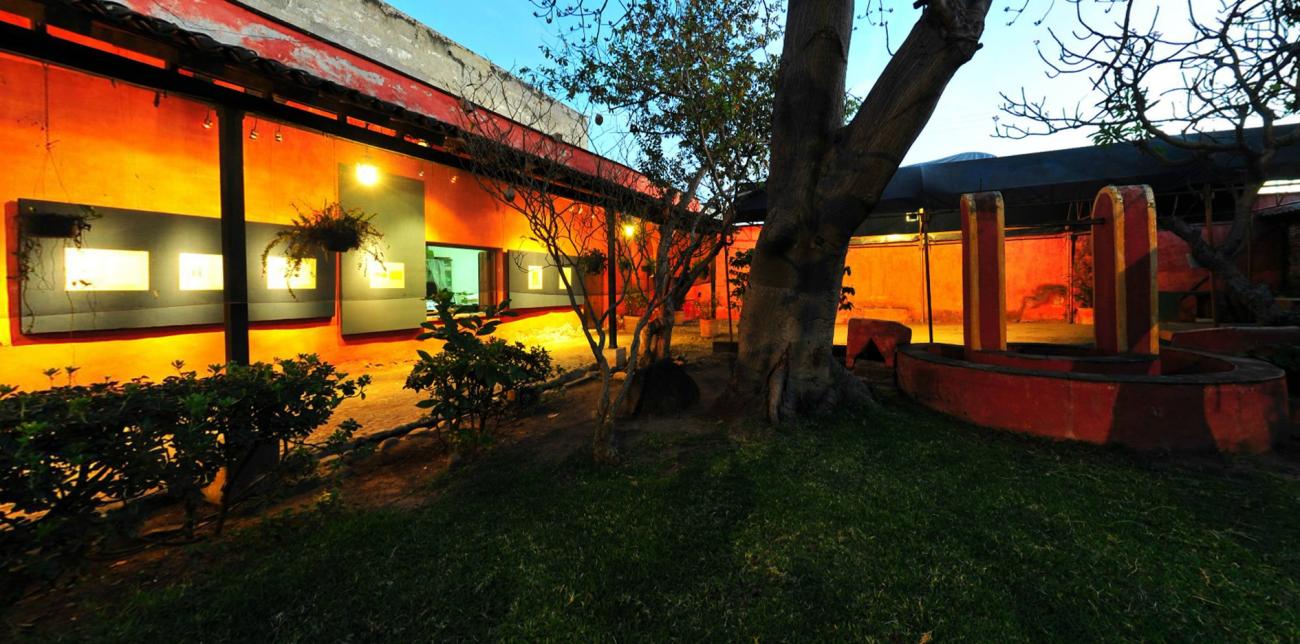
The Orchard
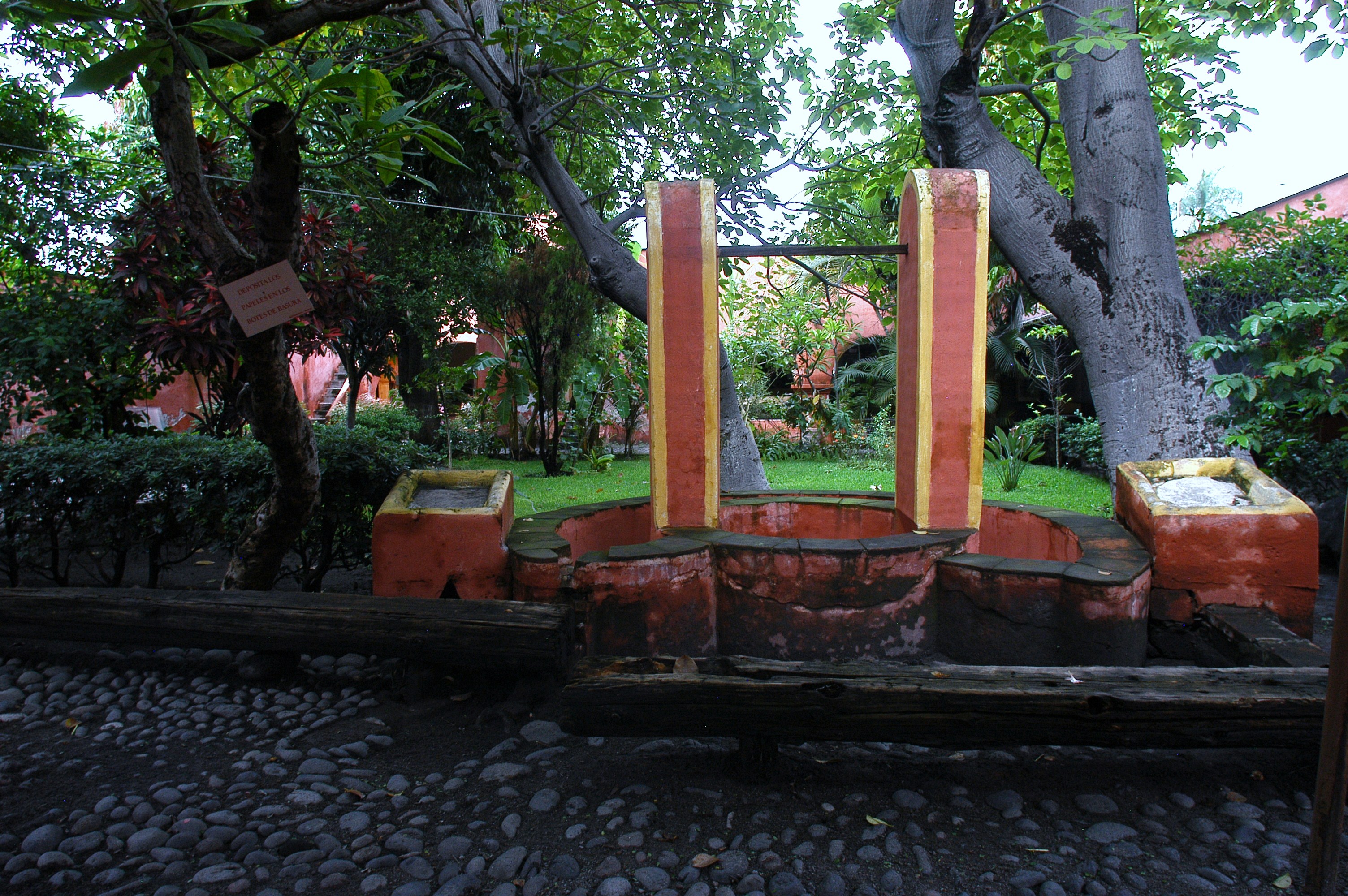
Here visitors can admire the orchard of the house where José María Morelos once lived—now a designated historical monument dating to the 18th century.

- DirecciónÁngel Uriel González Hernándezuriel_gonzalez@inah.gob.mx+52 (735) 352 83 31AdministraciónFrancisco Gómez Hernándezfrancisco_gomez@inah.gob.mx+52 (735) 352 83 31